

As most people, I am spending more and more time in front of my PC screen late at night and always struggled to get to sleep even using Windows inbuilt warm light settings. These glasses have improved things immensely.
Ces lunettes ne sont pas adaptées à ma morphologie car il y a un espace sous mes yeux qui risque de les abimer.
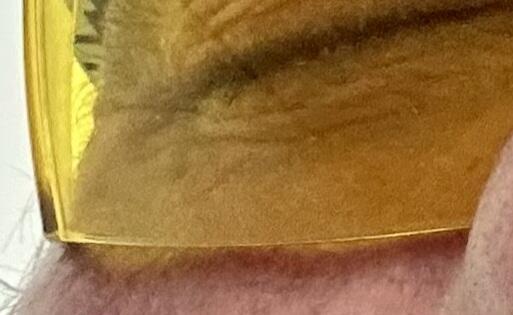
The gap shouldn't cause any issues as the light won't directly reach the cornea through it but for cases where you need to treat around the eyes we do offer specific tanning bed style glasses that only cover the eye.
Je ne peux pas encore juger la qualité de l’appareil, c’est trop tôt.
En revanche, je note le manque d’informations dans la notice.
On paie un appareil cher, et la notice se limite à quelques programmes pré enregistrés, dont certains sont quasi identiques à la durée près.
Il n’y a aucune explication sur les différents programmes, combien de fois par semaine les utiliser, au bout de combien de temps les effets commencent à se voir ...
Un minimum d’explications s’impose pour comprendre ce qu’on fait et pourquoi.
J’ai contacté le vendeur à ce sujet. Dans 2 de ses réponses, il m’a indiqué qu’il s’agissait d’un dispositif de bien-être et non d’un dispositif médical. Je ne vois pas où il veut en venir avec cette précision, et surtout pourquoi cela l’empêche de répondre clairement aux questions posées.
Il a aussi dit qu’il ne pouvait pas mettre 500 pages de littérature. Entre 1 page et 500 pages, il y a pourtant un juste milieu.
Encore une fois, je ne remets pas en cause la machine en elle même mais le fait de ne pas pouvoir pleinement l’expoiter est très décevant.
I´m sorry to hear that you aren't happy with the information provided - we answered all of your direct questions and only referred you to do some research of your own in regards to the question if you would need to wear protective goggles or not (which from a manufacturers standpoint you should). Never were 500 pages of literature mentioned, we simply stated that a manual including all relevant applications and research regarding red light therapy in 6 languages would be too large and that this information can be found on our website.
Prodotto ottimo, spedizione e servizio clienti top! Lo consiglio! Ho cominciato a fare 2 trattamenti a settimana con il programma mood healt ! Ed ho notato miglioramenti psicofisici interessanti; mi piacerebbe sapere se posso usarlo ogni giorno utilizzando e rispettando i diversi programmi del telecomando !